Discovering Library Records: A Font with Heart and Character
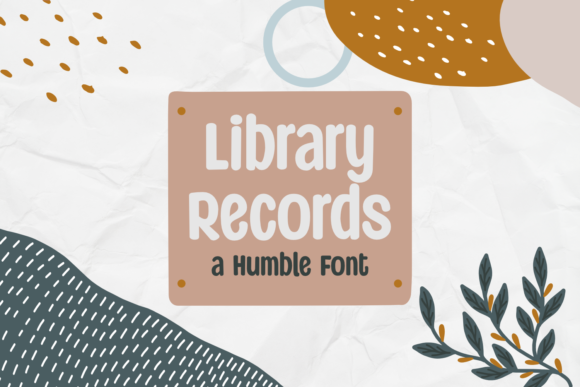
Some typefaces just feel like they have a story to tell, and Library Records is one of them. This cool and humble display font immediately captures attention with its playful yet authentic character, making it a standout choice for designers and creators looking for something with genuine warmth. It’s the kind of font that doesn’t just sit on a page—it communicates, creating an instant connection with the viewer.
The Playful Authenticity of a Display Typeface
At its core, Library Records is a display font designed to make a statement. Its letterforms have a slightly handcrafted, organic feel that avoids looking sterile or overly digital. This gives it an inherent sense of authenticity, making projects feel more personal and approachable. Unlike a rigid sans serif font or a formal serif font, this typeface brings a friendly energy to headlines, logos, and any text meant to be the focal point. It embodies a modern typography trend that values personality and charm over strict geometric perfection.
Creative Projects That Come Alive
Where does a font like this truly shine? Its versatile, cheerful nature makes it a fantastic design asset for a wide range of applications, especially those targeting a younger audience or aiming for a lighthearted feel.
- Children's Activities & School Projects: This is its sweet spot. Think engaging worksheets, fun book covers, creative presentation slides, and vibrant posters for school events. Its readability and playful style keep young learners interested.
- Brand Identity & Logo Design: For businesses that want to appear friendly, creative, and trustworthy—like a local bakery, a children's boutique, a craft studio, or a community library—this font can form the heart of a memorable logo.
- Packaging & Merchandise: Labels for artisanal goods, fun stickers, t-shirt designs, and tote bags gain a handcrafted, authentic touch that feels premium yet accessible.
- Digital & Editorial Design: Use it for eye-catching social media graphics, blog post headers, or the title of an editorial layout. It adds personality without sacrificing clarity in short bursts of text.
Practical Tips for Effective Typography
Choosing the right creative font is only half the battle; using it well is what elevates a design. Library Records works best when used for headlines, subheadings, or short, impactful statements. Its detailed character is best appreciated at larger sizes. For body text, pair it with a clean, simple sans serif font or a highly legible serif font to create a balanced visual hierarchy. This contrast ensures your main message pops while supporting text remains easy to read. Always consider scalability—ensure the font remains crisp and clear whether it's on a large poster or a small social media icon.
Choosing Your Design Assets Wisely
When you download a font like Library Records, you're adding a valuable tool to your design toolkit. It’s important to check the licensing details to understand its permitted uses, especially for commercial projects. A well-chosen typeface does more than look good; it influences brand perception, sets the tone for communication, and contributes to a professional, polished presentation. Taking the time to select a font that aligns with your project's personality and audience shows attention to detail.
Ultimately, the right typography can transform a good design into a great one. It brings cohesion, reinforces your message, and makes your work memorable. Library Records